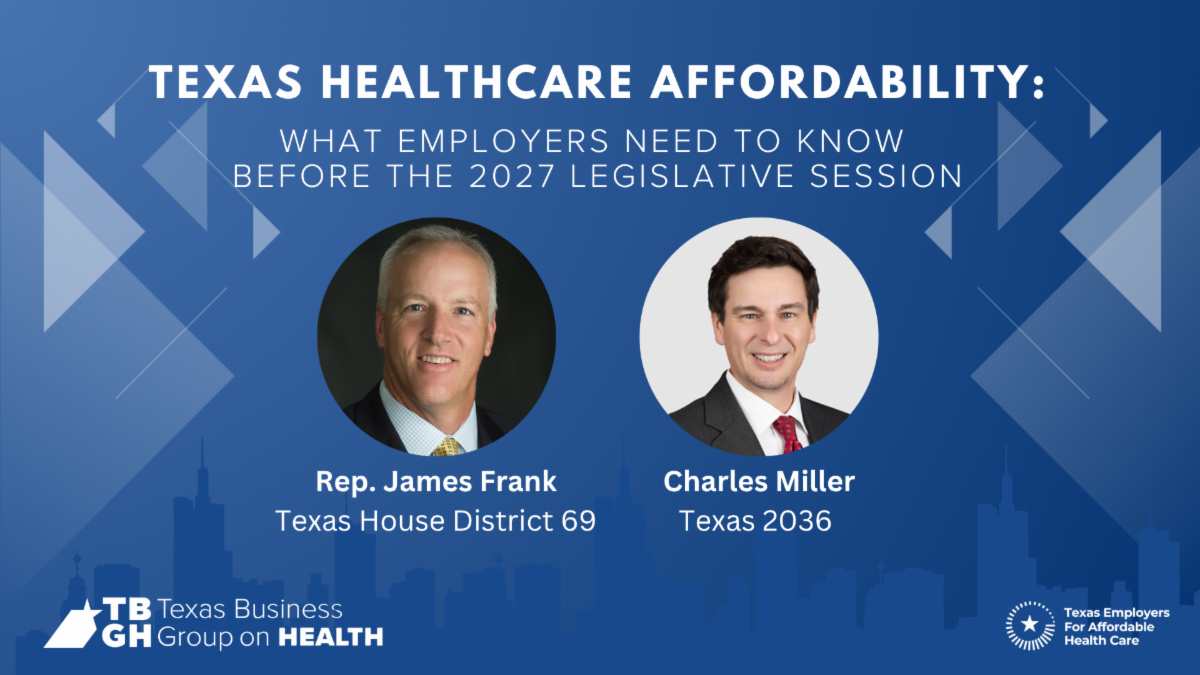
| Texas Representative James Frank and Charles Miller recently discussed the root causes of rising healthcare prices in Texas, emphasizing market consolidation and lack of patient engagement as primary drivers.
Root Causes of Healthcare Prices
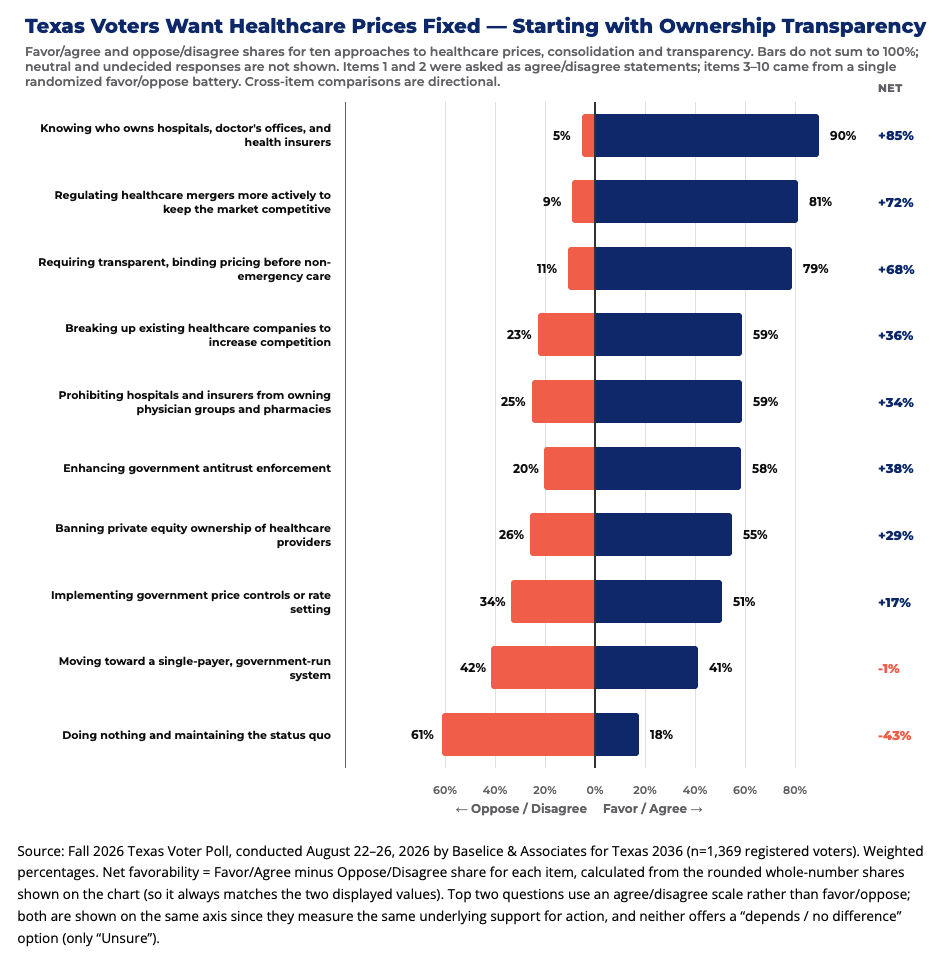
- Market Consolidation: Rapid vertical and horizontal integration allows providers to set prices based on market dominance rather than quality or cost of care.
- Perverse Incentives: Insurance companies and providers often benefit from annual price increases, creating a system without effective checks and balances.
- Patient Disconnection: Patients are discouraged or prevented from shopping for care, removing the primary market pressure that would normally drive prices down.
Legislative & Policy Initiatives
- House Select Committee on Health Affordability: Focused on identifying root causes before proposing solutions to avoid treating symptoms rather than the actual problem.
- Facility Fees: Require hospitals to use a unique NPI for all billing in Texas to distinguish between services delivered in a hospital and other hospital-owned facilities to identify hidden facility fees.
- Anti-Competitive Contracting: Discussion of House Bill 711 (2023), which banned certain anti-competitive practices, with a goal to expand these protections to create a level playing field.
- Fiduciary Responsibility: Proposal to require insurance companies and PBMs to act as fiduciaries, legally obligating them to put the client’s interests above their own and prohibiting self-dealing.
- State Leadership: Suggestion that the state should lead by example by improving transparency and patient engagement within its own benefit plans (e.g., TRS).
Employer Strategies & Innovations
- Direct Contracting: Transitioning from traditional plans to direct contracting models to save money and encourage employee shopping.
- Patient Engagement: Shifting the focus toward rewarding employees for shopping for lower-cost, high-quality care to force market transparency.
Employer Members Watch Online
|